




Introduction to Electromagnetic Interference (EMI) Testing
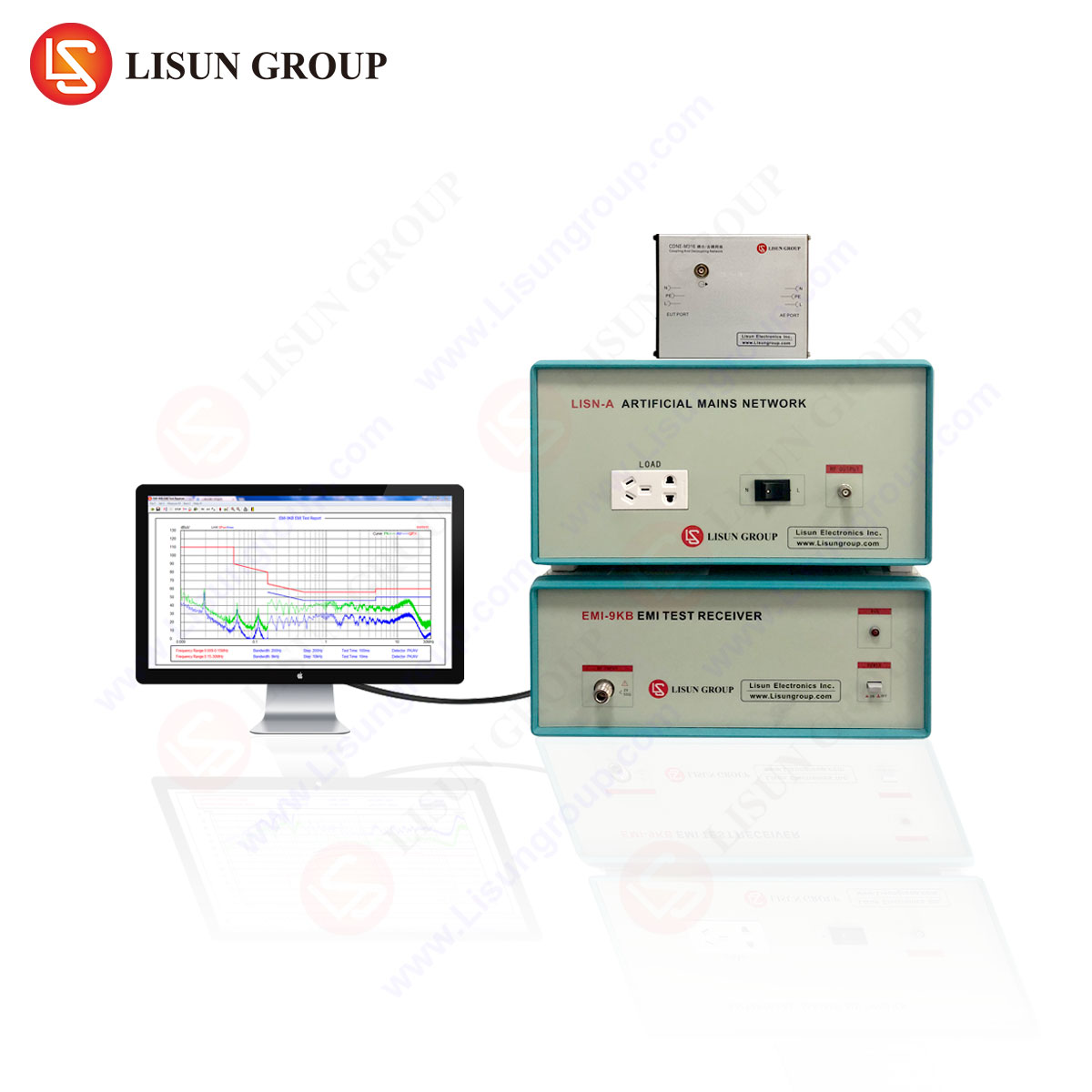
Electromagnetic Interference (EMI) testing is a critical compliance requirement for electronic and electrical products to ensure they operate without disrupting other devices or being susceptible to external interference. Regulatory bodies such as the FCC, CISPR, and IEC mandate strict EMI standards to mitigate risks in industries ranging from automotive to medical devices. EMI receivers, such as the 리순 EMI-9KB, provide precise measurements of conducted and radiated emissions, ensuring compliance with international standards.
Fundamentals of EMI 수신기 Testing
EMI receivers measure unwanted electromagnetic emissions from electronic devices across a defined frequency spectrum. These emissions can be categorized as:
- Conducted Emissions: Noise transmitted through power lines or signal cables.
- Radiated Emissions: Electromagnetic waves propagating through the air.
그만큼 LISUN EMI-9KB operates in compliance with CISPR 16-1-1, offering a frequency range of 9 kHz to 30 MHz for conducted emissions and 30 MHz to 1 GHz for radiated emissions. Its high sensitivity and dynamic range enable accurate detection of low-level interference, critical for industries like medical devices 그리고 communication transmission, where signal integrity is paramount.
Key Specifications of the LISUN EMI-9KB Receiver
그만큼 EMI-9KB is engineered for precision and reliability, with the following technical specifications:
| 매개변수 | 사양 |
|---|---|
| 주파수 범위 | 9 kHz – 1 GHz |
| 측정 정확도 | ±1.5 dB |
| IF Bandwidth | 200 Hz – 1 MHz (CISPR compliant) |
| 다이나믹 레인지 | > 90 dB |
| 검출기 모드 | 피크, 준피크, 평균, RMS |
| 규정 준수 표준 | CISPR 16-1-1, EN 55016, FCC Part 15 |
These specifications make the EMI-9KB suitable for industrial equipment, power tools, and automotive electronics, where stringent EMI compliance is mandatory.
Testing Methodologies for EMI Compliance
Pre-Scan and Final Measurement Phases
EMI testing involves two primary phases:
- Pre-Scan (Quick Sweep): Identifies frequency bands with significant emissions.
- Final Measurement: Conducts detailed analysis using quasi-peak and average detectors to ensure compliance.
그만큼 EMI-9KB automates these phases, reducing testing time while maintaining accuracy.
Peak vs. Quasi-Peak Detection
- Peak Detection: Identifies maximum emission levels, useful for initial screening.
- Quasi-Peak Detection: Weighs emissions based on repetition rate, critical for audio-video equipment 그리고 low-voltage appliances where intermittent noise must be assessed.
Industry-Specific Applications of EMI Testing
Medical Devices and Patient Safety
Medical electronics, such as MRI machines and patient monitors, must comply with IEC 60601-1-2 to prevent interference with life-critical systems. The EMI-9KB ensures emissions remain below thresholds, safeguarding sensitive equipment.
Automotive Electronics and EMC Compliance
Modern vehicles integrate complex electronics, from infotainment systems to ADAS. The CISPR 25 standard mandates rigorous EMI testing, where the EMI-9KB provides automotive manufacturers with reliable emissions profiling.
Industrial and Power Equipment
High-power machinery, such as variable frequency drives (VFDs), generate significant conducted noise. The EMI-9KB’s 9 kHz – 30 MHz range is optimized for power-line emissions testing, ensuring compliance with EN 61000-6-4.
Comparative Advantages of the LISUN EMI-9KB
Superior Sensitivity and Selectivity
그만큼 EMI-9KB employs advanced DSP filtering, reducing false positives in noisy environments—crucial for rail transit and spacecraft applications, where electromagnetic cleanliness is non-negotiable.
Automated Compliance Reporting
Integrated software generates CISPR and FCC-compliant reports, streamlining certification for IT equipment and household appliances.
Regulatory Standards and Compliance Frameworks
그만큼 EMI-9KB adheres to:
- CISPR 11/22/32 (Industrial/IT equipment)
- FCC 파트 15 (Unintentional radiators)
- EN 55032/55035 (Multimedia devices)
These standards ensure global market access for manufacturers in lighting fixtures, instrumentation, and electronic components.
Case Study: EMI Testing in Power Tool Manufacturing
A leading power tool manufacturer utilized the EMI-9KB to identify 30 MHz – 300 MHz radiated emissions from motor brushes. By implementing shielding modifications, the product achieved EN 55014-1 compliance, avoiding costly recalls.
FAQ 섹션
1. What frequency range does the EMI-9KB cover?
그만큼 EMI-9KB measures 9 kHz – 1 GHz, covering both conducted and radiated emissions per CISPR standards.
2. How does quasi-peak detection differ from average detection?
Quasi-peak detection penalizes repetitive pulses more severely, while average detection measures continuous noise—both are required for full compliance.
3. Can the EMI-9KB test medical devices?
Yes, it complies with IEC 60601-1-2, ensuring medical electronics meet EMI immunity and emissions criteria.
4. What industries benefit most from the EMI-9KB?
Automotive, industrial equipment, medical devices, and IT manufacturers rely on its precision for global regulatory approvals.
5. Does the EMI-9KB support automated reporting?
Yes, integrated software generates standardized reports for FCC, CE, and CISPR certifications.
 English
  Spanish
  Russian
  Portuguese
  Turkish
  Arabic
  German
  Polish
  Italian
  French
  Korean
  Japanese
  Indonesian